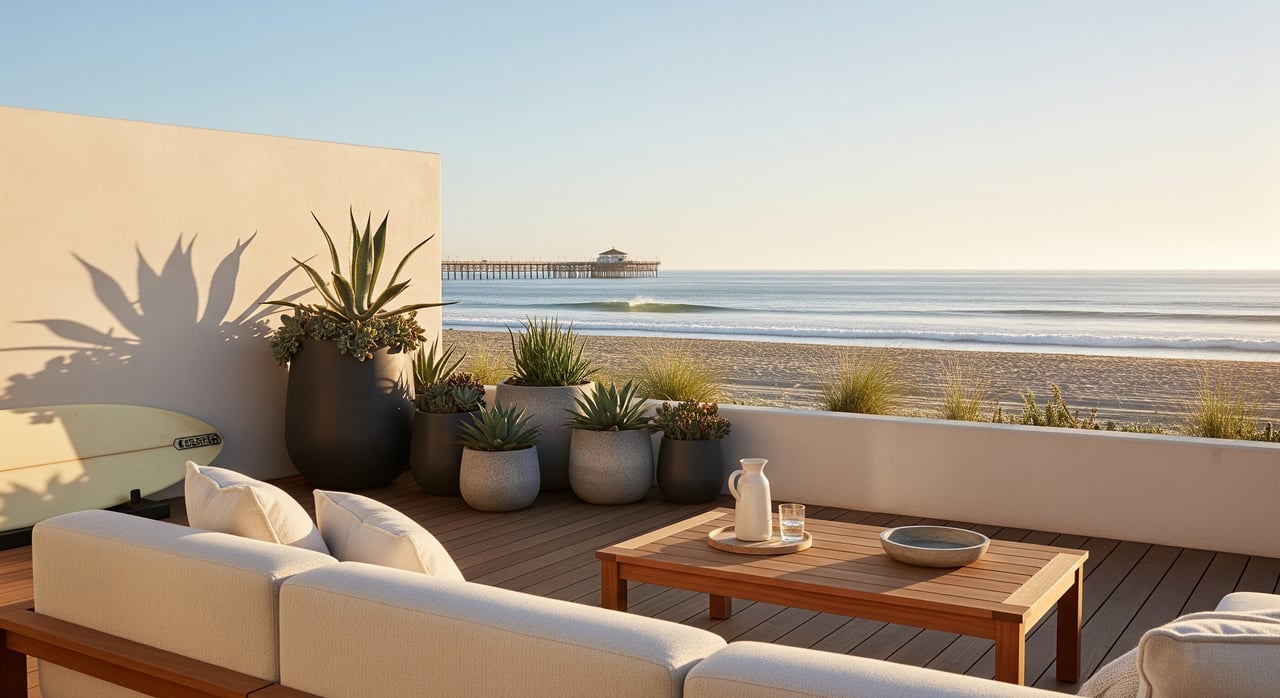
Ever wonder what it feels like to start your day with a surf check and end it with a sunset walk? If you’re picturing life steps from the Huntington Beach Pier, you’re not alone. It’s a lifestyle built around the ocean, an active street scene, and easy access to sand and bike paths. In this guide, you’ll get a clear picture of daily rhythms, housing options, tradeoffs, and what to look for when you tour. Let’s dive in.
Where “near the Pier” is
Living “near the Huntington Beach Pier” usually means you are within about 0.5 to 1 mile of the end of Main Street on Pacific Coast Highway. That is roughly a 10 to 20 minute walk or a quick 3 to 6 minute bike ride. The area includes the blocks fronting Huntington City Beach and the stretches along PCH to the north and south.
You also have quick access to natural landmarks that shape daily routines. To the north, Bolsa Chica Ecological Reserve offers trails and birdwatching. Huntington Dog Beach sits north of the pier and is a daily draw for dog owners. Inland routes connect you to the rest of Orange County through major corridors like Beach Boulevard and PCH.
Housing options within a stroll
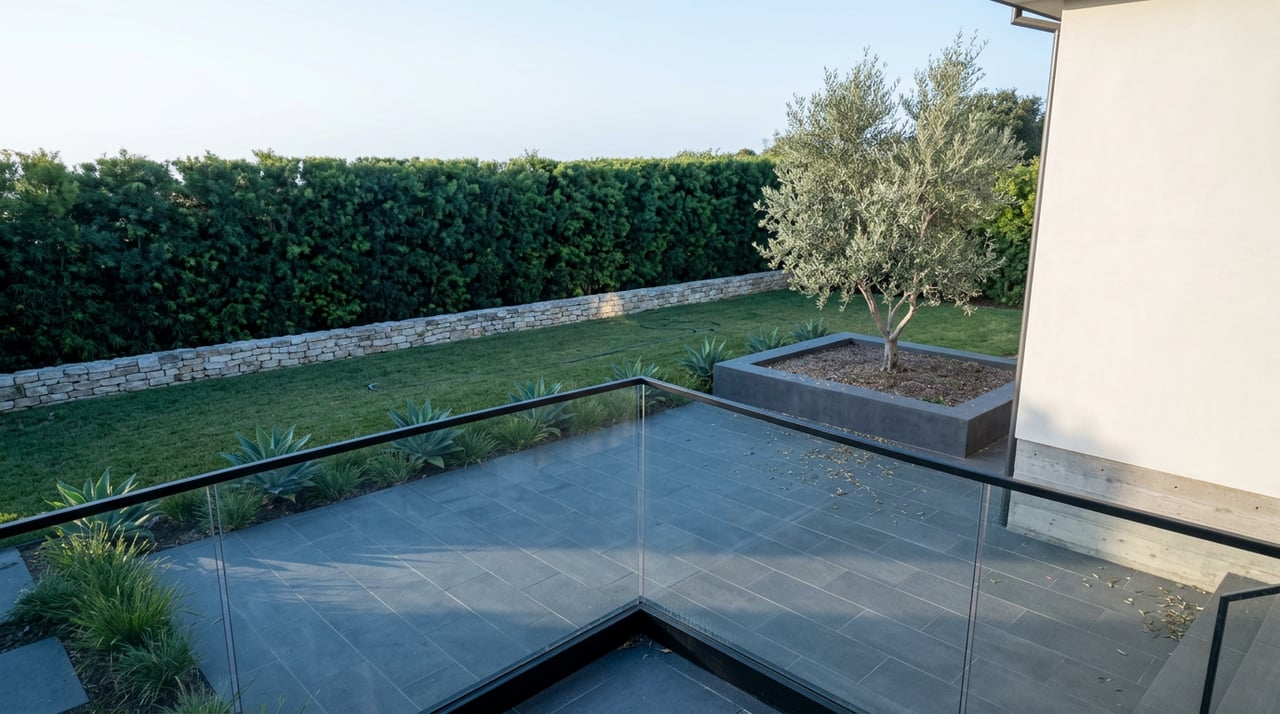
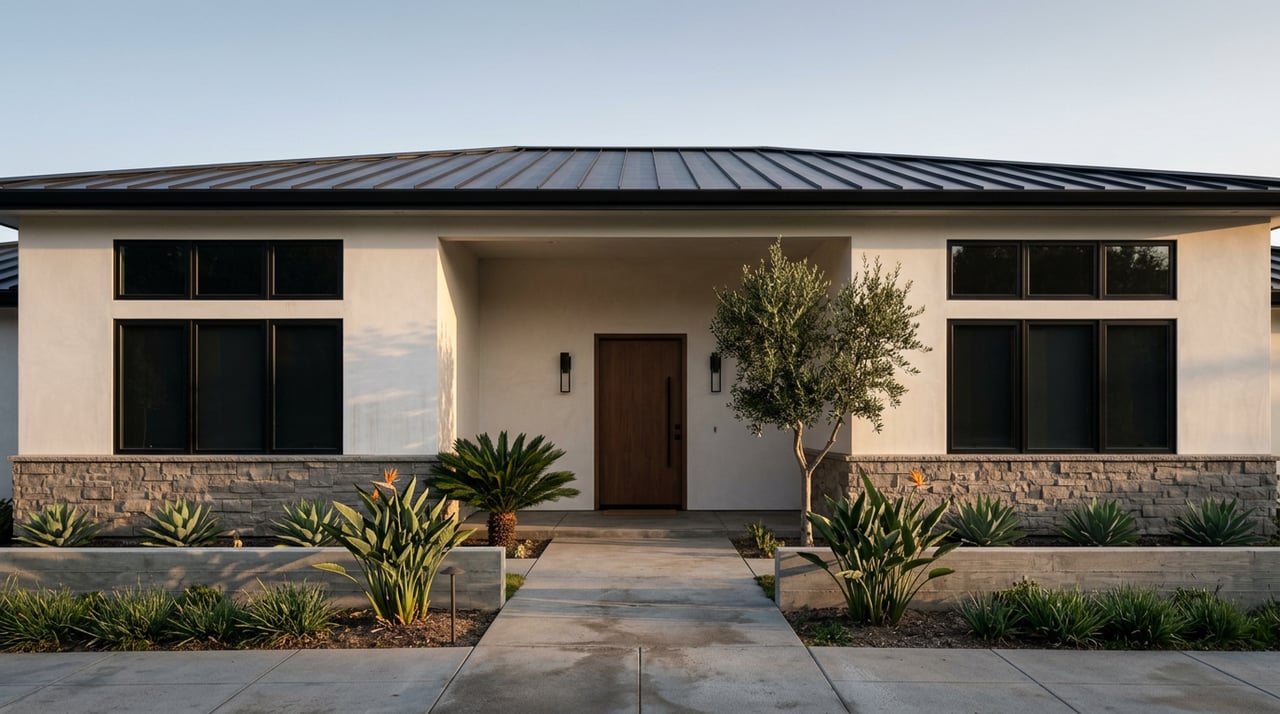
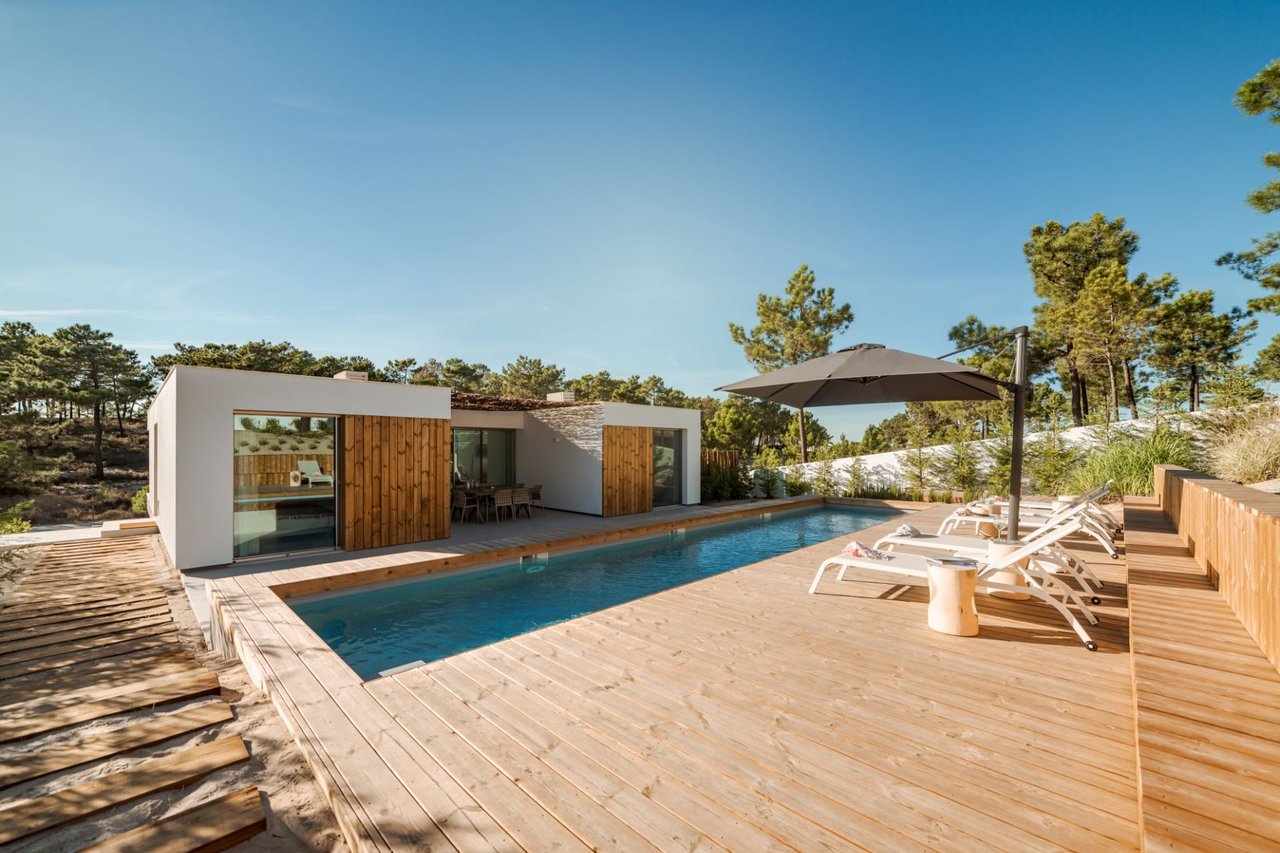
Within walking or biking distance of the pier, you will find a mix of homes that fit different budgets and goals.
- Single-family homes, including older cottages and newer multi-story builds that maximize ocean views.
- Townhomes and condominiums, many with HOA fees that cover shared amenities or maintenance.
- Smaller beachfront cottages and remodeled contemporary properties that appeal to buyers seeking charm close to the sand.
- A mix of long-term rentals and short-term rentals concentrated near visitor-friendly streets.
Properties with direct ocean proximity or pier views tend to command a premium compared with inland parts of Huntington Beach and the broader county. For many buyers, condos or smaller cottages are common entry points when proximity is the priority.
A day in the life
Morning: waves, wheels, and coffee
Locals often start early. Dawn surfers, paddleboarders, and joggers take advantage of the beach breaks and the continuous beach trail. You will see walkers, runners, and cyclists sharing the path, and cafés around Main Street open early to serve commuters and beachgoers alike.
Midday: sand time and errands
By midday, the beach fills with sunbathers, swimmers, and volleyball games. Families set up for picnics, and residents split time between sand and errands. You will find surf shops, casual dining, and services around Main Street and nearby corridors. Grocery stores and pharmacies are a short drive, and depending on your block, you may have a smaller market within walking distance.
Evenings and weekends: sunsets and buzz
Late afternoon brings another surf session or a relaxed ride along the bike path. Sunset walks are a daily ritual. As evening sets in, Main Street and the pier area come alive with dining and bars. Seasonal events and summer weekends bring larger crowds and extended street activity. You will also see regular community happenings like farmers’ markets, live-music nights, and beachside events.
On the pier itself
The pier is a public hub. Fishing, sightseeing, small vendors, and the occasional street musician create a steady draw for locals and visitors. Nearby amenities include public restrooms, lifeguard stations, volleyball courts, and access to the beach bike path.
Parking and access
Parking can be the biggest practical challenge during peak times.
- Municipal lots and metered street parking exist but often fill early on summer weekends and during major events.
- Many residents choose properties with off-street parking or garage spaces for daily convenience.
- Walking, biking, and rideshare are common choices for local errands to avoid parking stress.
- Street parking restrictions and time limits are enforced, so always check posted signage and municipal maps for your address.
Noise, crowds, and daily tradeoffs
Living close to the pier gives you walkability and ocean energy, but there are tradeoffs.
- Expect more foot traffic, event-related noise, and weekend congestion on blocks nearest Main Street and the beach.
- Summer festivals and nightlife increase activity levels into the evening.
- If you prefer quieter nights, look a few blocks inland where the pace typically slows.
Maintenance and cost considerations
Salt air is a reality of coastal living and can affect long-term upkeep.
- Metal fixtures, HVAC components, window hardware, and exterior finishes may corrode faster in salt conditions.
- Budget for more frequent exterior maintenance, and ask for recent records on painting, deck or railing updates, and HVAC replacements.
- Many condos and townhomes have monthly HOA fees that support common-area upkeep and sometimes utilities or safety measures.
- Homeowners near the coast may face higher insurance premiums. In designated flood zones, flood insurance may be required.
Flood, erosion, and long-term planning
Long-term buyers should factor in coastal resiliency. Review FEMA flood maps, local sea-level-rise planning documents, and city coastal management resources for your property’s elevation and potential flood or erosion risk. Local planning and regulatory updates can influence shoreline access, protective measures, and permitted development over time.
Short-term rentals and local rules
Short-term rentals in Huntington Beach are regulated and require city compliance. Rules have been tightened in many coastal California cities. If you plan to host, verify current ordinances, permitting needs, and enforcement practices. Also confirm whether your HOA allows STRs before you purchase.
Commute and transit
Many residents commute by car to inland job centers. Traffic on PCH and major routes can be heavier during peak hours and special events, so plan extra time on those days. Public transit options include local Orange County Transportation Authority bus routes along Main Street and PCH. For rail, the nearest Amtrak and Metrolink stations are in nearby cities like Santa Ana and Irvine, which typically require a drive or transfer.
Safety and emergency services
The pier and downtown area have high pedestrian activity, so standard urban awareness applies. In crowded areas, be mindful of petty theft risks and secure your belongings. On the sand, city lifeguards monitor conditions and post guidance about rip currents and surf safety. Follow posted signs and lifeguard instructions.
Schools and family services
Huntington Beach addresses connect to a mix of local elementary and high school districts. Private options exist within the broader county. Always confirm the exact school assignment for any property, along with program details and enrollment boundaries.
Healthcare and essentials
Urgent care and hospital facilities are within a short drive from the pier area. Day-to-day services like groceries, pharmacies, and banks are also nearby by car, with smaller markets within walking distance depending on the block.
Parks and nature access
Bolsa Chica Ecological Reserve offers trails and birdwatching a short trip north, giving you a quieter, nature-focused contrast to the pier. Huntington Beach Central Park sits inland and provides larger green spaces and recreation. For pet owners, the designated off-leash Dog Beach north of the pier is a frequent stop.
On-the-ground checklist for a visit
Use this checklist to evaluate a specific property and its daily practicality.
- Visit at least three times: a weekday morning, a weekend midday, and a summer evening or event day.
- Walk the route to the pier. Time it, note lighting, and watch for busy intersections or stairs.
- Check parking realities. Look at street signage, lot hours and fees, and any resident permit zones. Review HOA documents for assigned or guest parking.
- Inspect exterior materials for salt-related wear, including rust on fixtures and corroded railings.
- Ask for flood zone documentation, FEMA map printouts, and recent insurance premium history.
- Confirm school boundaries for the address and consider how far you are from the nearest elementary and high school.
- Map out the closest grocery, pharmacy, and urgent care. Time the trip by foot, bike, and car.
- If a condo or townhome, request HOA CC&Rs, meeting minutes, a reserve study, and information on any recent special assessments.
Is pier living a fit for you?
If you want the ocean as your front yard, a bike path for daily movement, and lively streets at your doorstep, the pier area delivers. You will trade a bit of quiet, parking ease, and some maintenance costs for that everyday access to sand, surf, and sunset culture. With a clear view of the tradeoffs, you can choose a street and home style that matches your routines.
If you are curious how close you can get within your budget, or you want help comparing condos, townhomes, and single-family homes around the pier, we are here to help. For a personalized plan, a virtual tour, or a private showing, reach out to The AceEstate Team.
FAQs
How long does it take to reach the Huntington Beach Pier on foot or bike?
- Within about 0.5 to 1 mile, expect a 10 to 20 minute walk or a 3 to 6 minute bike ride, depending on your exact block and route.
What is parking like for residents and guests near the pier?
- Municipal lots and metered street parking exist but fill early on summer weekends and event days, so many residents prefer homes with off-street parking and use walking, biking, or rideshare for errands.
Are noise and crowds an issue when living close to Main Street and the beach?
- Activity levels rise near the pier, with more foot traffic, nightlife, and seasonal festivals, while streets a few blocks inland are typically quieter.
Do homes close to the coast need special insurance in Huntington Beach?
- Coastal homes may face higher premiums, and flood insurance can be required in designated flood zones, so review FEMA maps and request recent insurance history for any property.
Can I run a short-term rental near the Huntington Beach Pier?
- Short-term rentals are regulated and require compliance with city rules, and HOAs may add restrictions, so verify current ordinances and any community rules before you buy.
Is public transit available by the pier for commuting?
- Local bus routes serve Main Street and PCH, while the nearest Amtrak and Metrolink stations are in nearby cities like Santa Ana and Irvine and usually require a drive or transfer.