Choosing between a condo and a townhome in Huntington Beach can feel simple at first, until you realize the label on the listing may not tell the whole story. If you want easier upkeep, beach access, and a home that fits your budget and lifestyle, the details matter more than the marketing. This guide will help you understand how condos and townhomes really work in California, what daily life can look like in Huntington Beach, and which option may fit you best. Let’s dive in.
Condo vs. townhome basics
In California, a condominium is a legal ownership type, not just a building style. According to the California Department of Real Estate, a condo includes a separate interest in your unit plus an undivided interest in common areas.
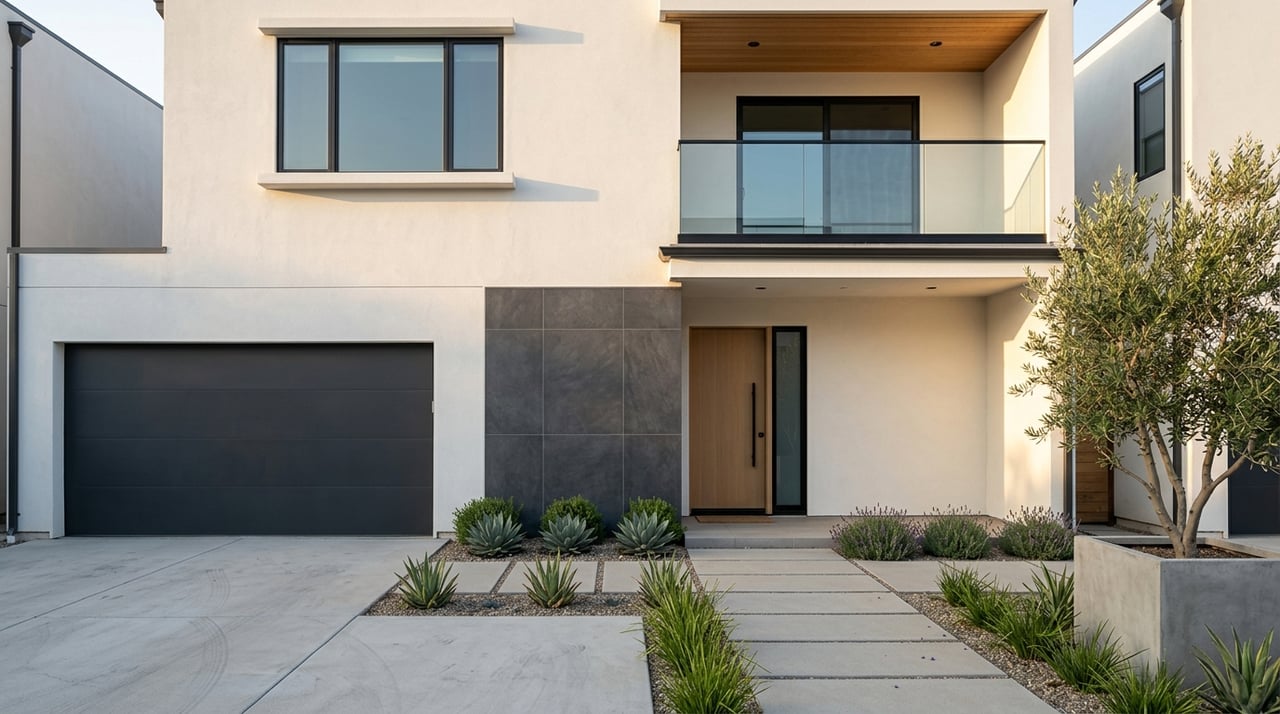
A townhome is an architectural style, not a legal category by itself. Townhome-style homes are usually multi-level and arranged side by side instead of stacked on top of one another. In practice, a townhome can be organized as a condo or as a planned development.
That distinction matters in Huntington Beach, where attached homes can look very similar from the outside. Before you fall in love with a floor plan or location, you need to know what you are actually buying on paper.
Why the legal structure matters
The legal structure affects more than ownership wording. It can shape what you maintain, what the HOA manages, how monthly dues work, and what rules apply to the property.
That is why the deed, CC&Rs, and DRE public report matter more than a listing description. If a home is advertised as a townhome, you should still confirm whether it is legally a condo, a planned development, or something else.
How Huntington Beach changes the decision
Huntington Beach offers a lifestyle that draws many buyers toward attached housing. You have the pier, Main Street, Pacific City, beach paths, parks, the harbor area, Bolsa Chica wetlands, and community amenities like Huntington Central Park and the Public and Cultural Center.
For many buyers, that means a condo or townhome can offer access to the coastal routine they want without the upkeep of a larger detached property. If your goal is to spend more time enjoying the area and less time handling exterior maintenance, attached living can be appealing.
Location and parking matter every day
In Huntington Beach, parking is not a small issue. The city notes that limited parking has been a continuing challenge in Downtown, near the beach, and at parks, and most regional travel is still made by personal automobile.
That means your daily experience may depend just as much on parking as on square footage. A great kitchen or extra bedroom may matter less if guest parking is tight, your garage is tandem, or neighborhood parking rules make visitors difficult to accommodate.
When comparing properties, look closely at:
- Number of garage spaces
- Whether spaces are side-by-side or tandem
- Guest parking availability
- Street parking conditions
- Residential permit parking rules nearby
- Distance to the beach, downtown, or other frequent destinations
HOA rules and costs deserve a close look
Most condo and townhome communities in California are governed by a homeowners association. The California Attorney General says HOAs make and enforce rules, collect dues and assessments, and operate through governing documents like CC&Rs and bylaws.
That matters because buyers sometimes assume attached living always means less work. In reality, the level of convenience depends on what the HOA actually covers.
What the HOA may handle
Some communities cover a broad range of common maintenance. Others may focus mainly on shared amenities and common areas.
Depending on the project, the HOA may be responsible for things like:
- Exterior surfaces
- Roof maintenance
- Community landscaping
- Shared walkways or drive aisles
- Pools, clubhouses, or other amenities
What you may still handle
In some townhome or site condo communities, the owner may still be responsible for major parts of the home. The California Department of Real Estate notes that responsibility for roofs, exterior areas, or the full residence can vary widely by project.
So if you are choosing between a condo and a townhome because you want a lower-maintenance lifestyle, do not assume. Read the CC&Rs and confirm where the HOA’s responsibility ends and yours begins.
Why dues and reserves matter
Monthly HOA dues are not just another line item. The DRE notes that assessment amounts can affect a buyer’s financial qualification, and the public report should describe the HOA’s finances and reserves.
In a market like Huntington Beach, where the 2020-2024 ACS reported a median value of owner-occupied homes at $1,100,000, many buyers are carefully balancing purchase price with monthly ownership costs. A lower purchase price may not feel as attractive if dues are high or if the association’s finances raise concerns.
Which layout fits your lifestyle?
Once you understand the legal structure, the next question is how you want to live day to day. In many cases, the best choice comes down to routine, comfort, and how much space separation you want.
When a condo may be the better fit
A condo may work well for you if you want a simpler shared-ownership model and you are comfortable with common areas and community rules. It can also make sense if your priorities are location, amenities, and easier access to Huntington Beach attractions rather than having a more house-like layout.
You may prefer a condo if you want:
- Shared amenities or managed common areas
- A smaller footprint to maintain
- A home near downtown, the beach, or activity hubs
- A straightforward attached-home option with HOA oversight
When a townhome may be the better fit
A townhome often appeals to buyers who want a more traditional home feel while still living in an HOA-managed setting. Multi-level living can create more separation between bedrooms, living areas, and work-from-home space.
You may prefer a townhome if you want:
- A side-by-side layout rather than a stacked design
- Two or more stories
- A more house-like feel
- Attached-home living with some separation from neighbors above or below
Still, remember that the look of a townhome does not tell you the legal ownership type. That part needs to be verified through the property documents.
Budget tradeoffs in Huntington Beach
Budget is often the real deciding factor. Huntington Beach is a high-value coastal market, so buyers are usually comparing not just the sticker price, but the full monthly cost of ownership.
That includes:
- Mortgage payment
- Property taxes
- HOA dues
- Insurance needs
- Maintenance responsibilities assigned to the owner
A condo may come with a lower entry price than other home types, but the HOA dues can be a significant part of the monthly budget. A townhome may offer more of the layout you want, but maintenance obligations may be greater depending on the project.
Think about how long you plan to stay
The California Department of Real Estate also warns that if you do not expect to stay in the home for several years, early equity can be reduced by selling costs and commissions. That makes your likely hold period an important part of the decision.
If you think you may move again soon, it is smart to weigh not just what feels right today, but what will still make sense if your needs change in a few years. The right fit is not only about features. It is also about timing.
A simple way to compare options
When you tour condos and townhome-style homes in Huntington Beach, use the same checklist each time. That can help you compare properties more clearly and avoid getting distracted by staging or marketing language.
Questions to ask before you decide
- What is the actual legal ownership type?
- What do the CC&Rs say the HOA covers?
- What maintenance stays with the owner?
- How much are the monthly HOA dues?
- What do the HOA finances and reserves look like?
- How is parking assigned?
- Is guest parking realistic for your needs?
- How close is the home to the beach, downtown, parks, or daily errands?
- How long do you expect to stay in the home?
In Huntington Beach, those answers usually tell you more than whether a listing says condo or townhome. The best choice is often the one that lines up with your budget, your routine, and how you want to spend your time.
The bottom line for Huntington Beach buyers
If you are deciding between a condo and a townhome in Huntington Beach, start with your lifestyle, but finish with the documents. A condo may be a strong fit if you want shared ownership, managed common areas, and a convenient coastal lifestyle. A townhome may be a better fit if you want a more house-like layout with HOA support, but not necessarily the same maintenance structure as a typical condo.
The key is to look past the label. In this market, parking, HOA rules, maintenance responsibility, location, and your expected timeline all shape whether a home will feel easy to live in once the keys are in your hand.
If you want help comparing attached-home options in Huntington Beach, the team at The AceEstate Team can help you narrow down the tradeoffs, review what matters in the documents, and find a home that fits the way you actually live.
FAQs
What is the difference between a condo and a townhome in Huntington Beach?
- In Huntington Beach, a condo is a legal ownership type, while a townhome is usually a style of home with multiple levels and side-by-side placement. A townhome can be legally organized as a condo or as a planned development.
Do Huntington Beach condos and townhomes always have HOAs?
- Most condo and townhome communities in California are HOA-governed, and the HOA usually sets rules, collects dues, and manages common areas based on the community’s governing documents.
What should Huntington Beach buyers check about HOA maintenance?
- You should review the CC&Rs and public report to confirm what the HOA maintains versus what you maintain, because responsibilities for roofs, exteriors, and other areas can vary a lot by community.
Why is parking so important for Huntington Beach attached homes?
- Parking is a major local issue, especially near downtown and the beach, so garage setup, guest parking, and neighborhood parking rules can affect daily convenience as much as the home itself.
Is a condo or townhome better for beach living in Huntington Beach?
- The better fit depends on your priorities. A condo may suit you if you want shared amenities and a simpler ownership structure, while a townhome may suit you if you want a more house-like layout near Huntington Beach amenities.
How long should you plan to stay in a Huntington Beach condo or townhome?
- The California Department of Real Estate notes that if you do not stay for several years, selling costs and commissions can reduce early equity, so your likely timeline should be part of your decision.