Selling your home this fall is absolutely possible, but the strategy that worked during the ultra-competitive housing market of a few years ago may not deliver the same results today.
Fall typically brings a shift in buyer activity. There may be fewer people actively searching while buyers who remain in the market have more homes to compare. That makes pricing, presentation, negotiation, and responsiveness especially important.
The good news is that sellers have control over all four. If you're hoping to sell before the end of the year, here's where to focus your attention.

Price and Presentation Need To Win Buyers Early
Your first opportunity to capture a buyer's attention happens before they ever walk through the front door.
It starts with the listing.
Price for Today's Buyer
When buyers have more choices, an overpriced home can quickly get overlooked. Starting high just to "see what happens" may result in fewer showings and more time on the market.
Instead, your pricing strategy should reflect recent comparable sales, current competition, property condition, and what buyers are actually willing to pay today.
Even small pricing decisions can influence visibility. Many buyers search within specific price ranges, so a strategically positioned list price can help your property appear in more searches.
The goal isn't simply to choose the highest possible asking price. It's to choose a price that creates enough interest to generate showings and offers.
Make the First Impression Count
Buyers with more options can also afford to be more selective about condition.
Fortunately, preparing your home doesn't necessarily mean completing an expensive renovation.
Focus on improvements buyers will notice immediately:
- Take care of obvious repairs
- Declutter and simplify each room
- Refresh paint where needed
- Improve lighting
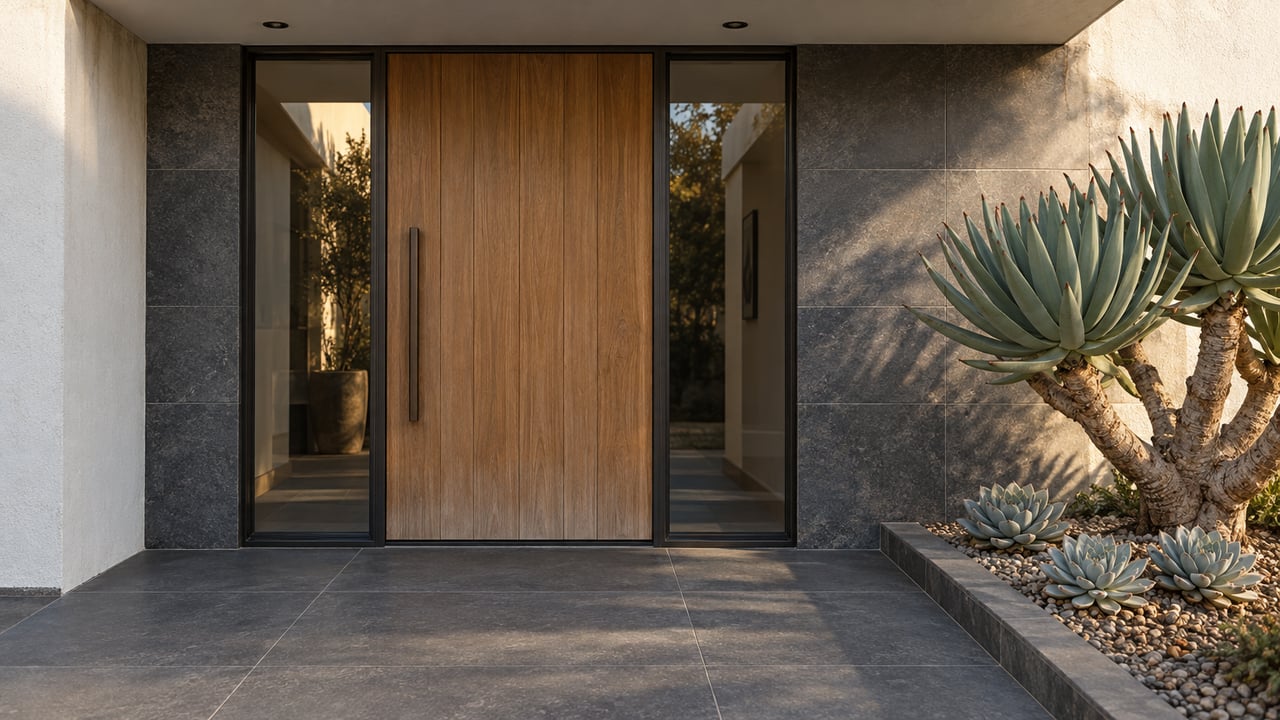
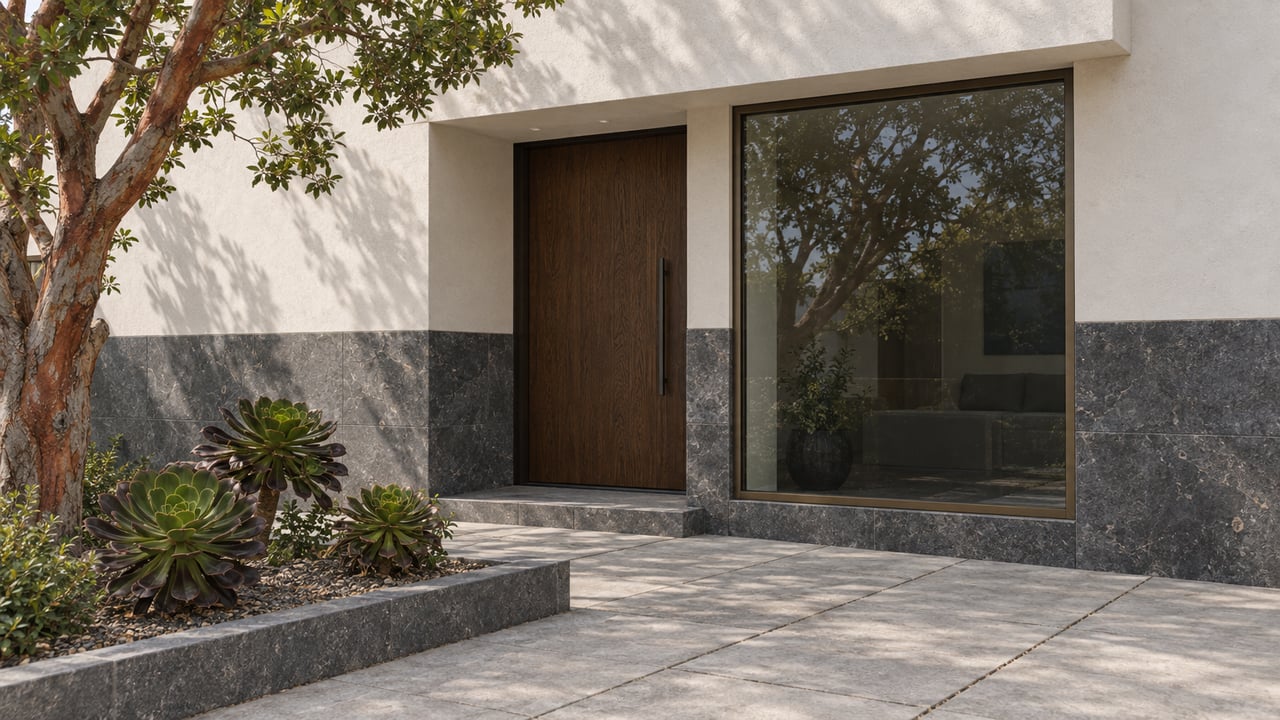
- Clean and enhance curb appeal
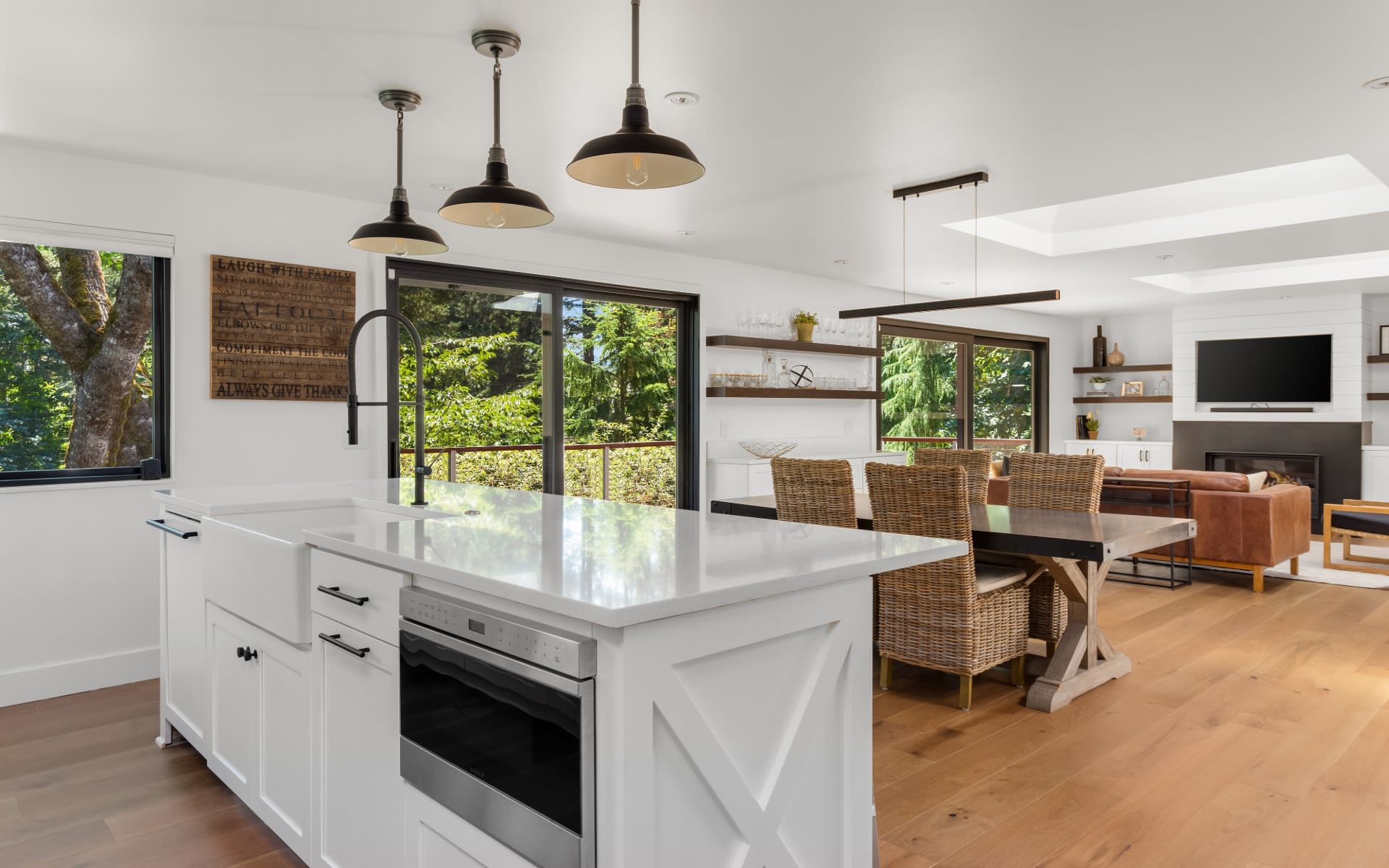
- Consider light staging
- Invest in professional listing photography
Small improvements can change how buyers perceive the entire property.
Your home needs to compete both online and in person, so make sure the first impression gives buyers a reason to keep looking.
Flexibility Can Help Keep Your Sale Moving
Negotiation has returned as an important part of the selling process.
Recent market data shows that 46.2% of sellers have provided buyers with some type of concession.
Depending on the transaction, that could include helping with closing costs, addressing repairs, providing credits, or negotiating other terms.
That doesn't mean sellers should automatically agree to every request.
Instead, look at negotiations within the context of your larger goal.
For example, providing a reasonable credit may be worthwhile if it keeps a qualified buyer committed and helps you close on schedule. Rejecting every request simply to "win" the negotiation could ultimately cost more if the buyer walks away and the home returns to the market.
Before listing, discuss your priorities with your real estate agent. Decide where you're comfortable being flexible and which terms matter most.
A successful negotiation isn't necessarily about getting everything you want. It's about structuring a deal that allows both sides to reach the closing table.

Listen to What the Market Is Telling You
Once your home is listed, the market starts providing valuable feedback.
The key is knowing how to interpret it.
If your listing receives plenty of online views but very few showings, your price or presentation may not be compelling enough.
If buyers schedule showings but don't submit offers, their feedback may reveal concerns about condition, value, layout, or competing properties.
And if the same concern keeps appearing, don't ignore it.
Sometimes a strategic adjustment can completely change a listing's momentum.
That could mean:
- Updating listing photos
- Improving staging
- Completing a minor repair
- Adjusting your marketing strategy
- Offering a buyer incentive
- Repositioning the asking price
Current market data shows the average price reduction is around 4%, but that doesn't mean every seller needs to cut their price or make an immediate change.
The goal is to watch the data, listen to buyer feedback, and respond strategically rather than emotionally.
Waiting indefinitely for the "right buyer" isn't always the best solution. Sometimes the smartest move is adjusting the listing so the right buyer has a stronger reason to act.
Bottom Line
Selling your home this fall can absolutely be successful, but today's buyers have more options and higher expectations.
Getting the price right, presenting your home at its best, staying open to reasonable negotiations, and responding to market feedback can significantly improve your chances of selling before the end of the year.
The strongest strategy is one that starts with today's market conditions, not what worked several years ago.
✨ Ready to position your home for a successful fall sale?
👉 Connect with a trusted local expert at https://aceestate.com/ and build a selling strategy designed to attract today's buyers and get you to the closing table.