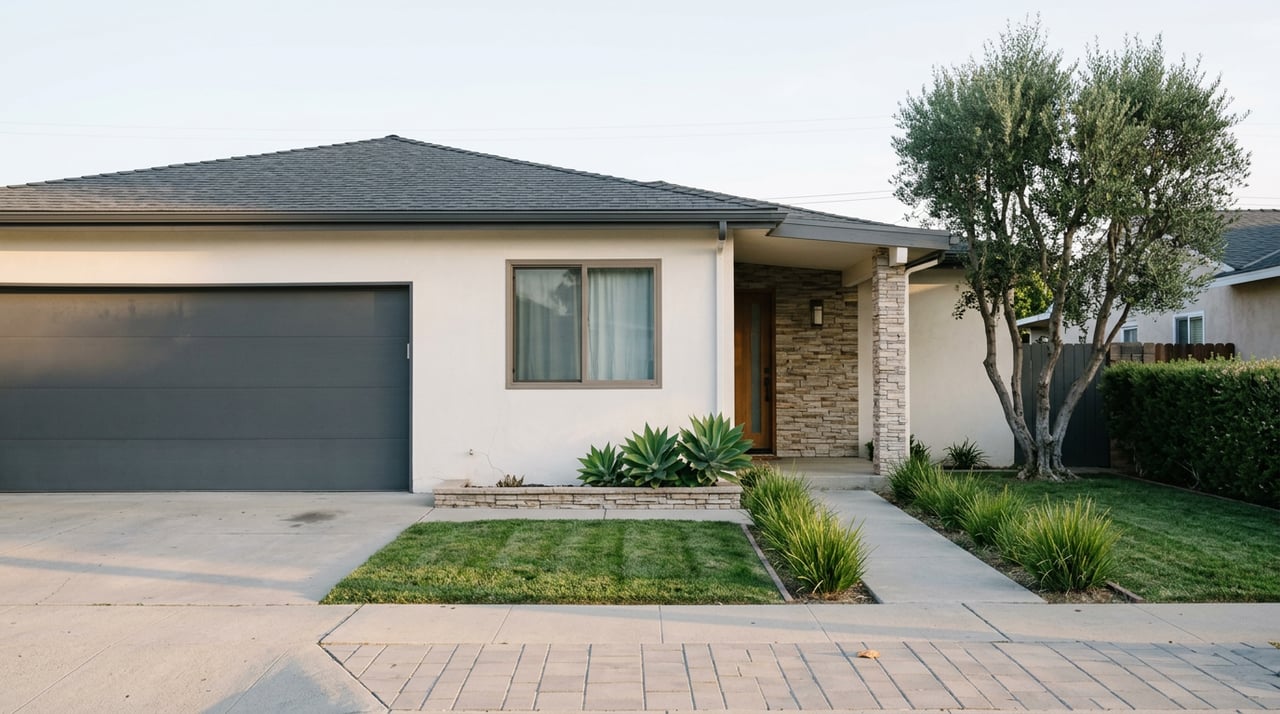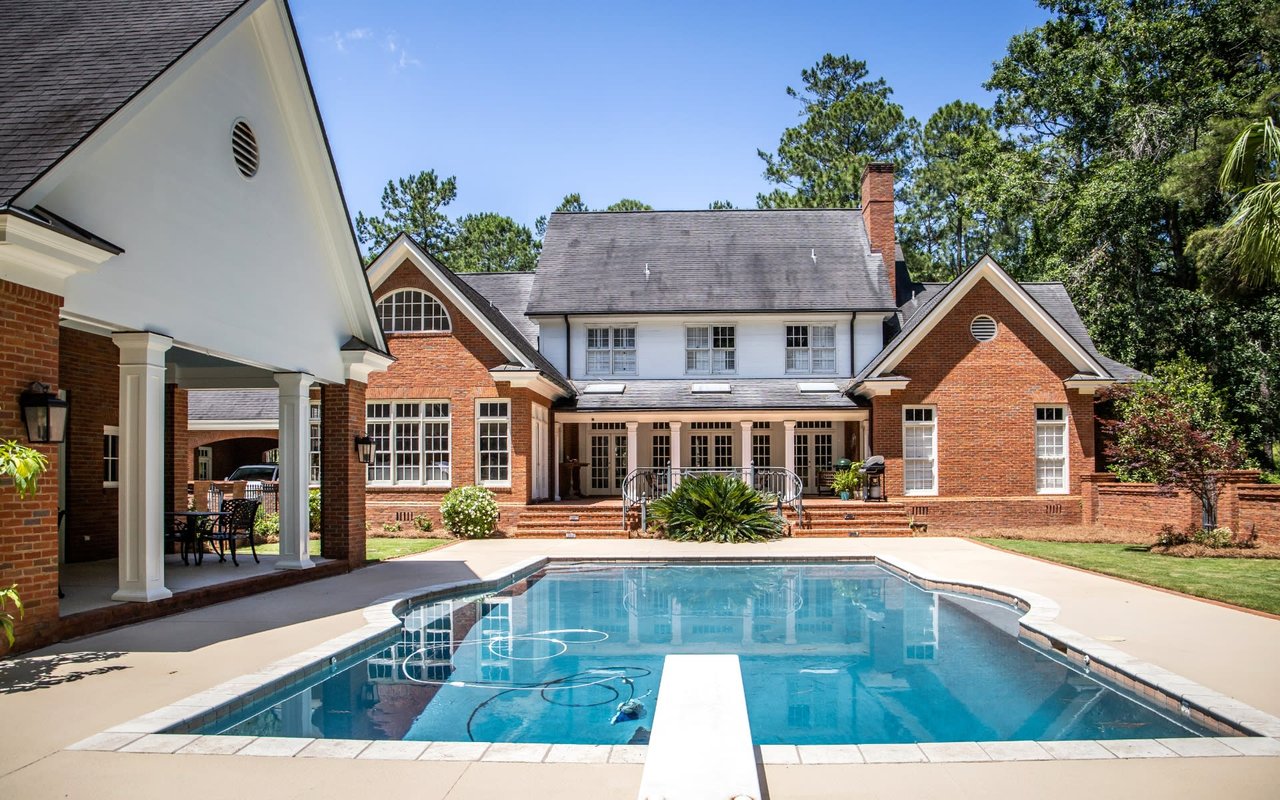
When your house sits on the market longer than expected, frustration builds quickly.
And for many homeowners, that leads to a common question:
Should I just rent it out instead?
While it may sound like an easy backup plan, becoming an “accidental landlord” is a much bigger decision than most people expect. And lately, more homeowners are considering this route.
Why More Homeowners Are Becoming Accidental Landlords
According to Zillow, about 2.3% of homes listed for rent were previously listed for sale — the highest share in nearly six years.
That shift shows more sellers are exploring rental options when their homes don’t sell as quickly as expected.
But before you go down that path, it’s important to pause and evaluate whether renting is truly the right move for you.

1. Would Your Home Actually Work as a Rental?
Not every home makes a strong rental property. The answer depends on your location, your home’s condition, and local rental demand.
Ask yourself:
- Can your home compete with other rental options nearby?
- What rent could you realistically expect?
- Are there high vacancy rates in your area?
- Will you need to make repairs before renting it out?
Rental markets are driven by supply and demand. If there are too many available units or new developments nearby, rental prices may soften — which can impact your returns.
Just because you can rent your home doesn’t mean it will perform the way you expect.

2. Are You Ready To Be a Landlord?
This is where many homeowners underestimate the reality.
Renting isn’t just passive income — it’s an ongoing responsibility. Being a landlord can mean:
- Handling maintenance issues at any time
- Managing tenant communication and payments
- Covering unexpected repairs
- Dealing with turnover between tenants
Even with a property manager, you’re still responsible for the financial and decision-making side of the property.

3. Have You Run the Real Numbers?
Renting also comes with costs that can quickly add up.
According to Bankrate, key expenses may include:
- Higher insurance premiums (often around 25% more for landlord policies)
- Property management fees (typically around 10% of rent)
- Maintenance and repairs
- Marketing and tenant placement costs
- Vacancy periods where no rent is coming in
For some homeowners, these costs are manageable. For others, they can outweigh the benefits.
Before You Pivot, Revisit Your Selling Strategy
If your home hasn’t sold yet, it doesn’t always mean the market isn’t there. Often, it comes down to pricing, presentation, or marketing strategy.
Before making a major shift to renting, it’s worth having a conversation with your agent about what could be adjusted.
Sometimes, small changes — like improving presentation, repositioning pricing, or updating marketing — can completely shift the momentum of your sale.
Bottom Line
Renting can be a great option for the right homeowner in the right situation. But if you’re only considering it because your home didn’t sell, it’s important to look at the full picture first.
✨ Not sure whether to sell or rent?
👉 Connect with a trusted local expert at https://aceestate.com/ and let’s walk through your options so you can make the best decision for your goals.