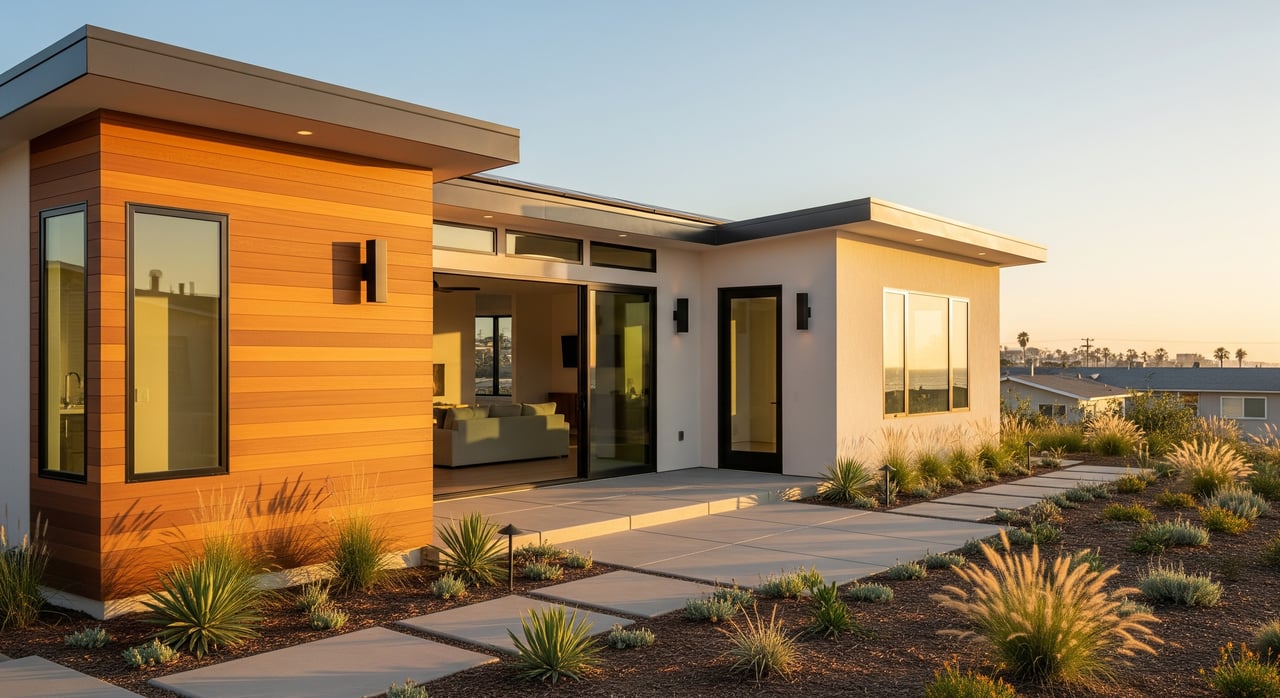
Thinking about adding an ADU to your Huntington Beach property to create space for family or earn rental income? You are not alone. With strong statewide support for ADUs and steady demand in coastal Orange County, a well-planned unit can be a smart move. In this guide, you will learn how local rules work, what typical costs look like, how to estimate ROI, and a practical process to move from idea to keys. Let’s dive in.
ADUs in Huntington Beach, at a glance
An accessory dwelling unit is a secondary home on your lot. In California, you can build detached, attached, or conversion ADUs, and you can create a smaller Junior ADU (JADU) from existing space. State law streamlines approvals when your plans meet objective standards. In Huntington Beach, local rules still shape design details, setbacks, and permits, and coastal-zone properties can have extra steps.
Rules and approvals you need to know
State protections that help you
California has strong ADU laws that require ministerial approvals when your design complies with objective standards. That means no discretionary hearings for compliant projects. The state also limits some fees for smaller units and reduces parking requirements in many cases, especially near public transit. These statewide rules set the floor; the City applies local standards on top of them.
Local standards to confirm early
Huntington Beach sets objective rules for size, height, setbacks, and lot coverage. Maximum ADU size varies by unit type and your lot, so confirm the current limits on the City’s ADU materials or with Planning. Parking standards, utility connections, and impact or connection fees are set locally. Junior ADUs are generally created within the main home and have their own guidelines.
Coastal zone and HOA considerations
Parts of Huntington Beach lie in the coastal zone. If your property is in that area, your project may need a coastal development permit or a consistency review. Homeowners associations cannot ban ADUs outright under state law, but they can impose reasonable restrictions, so review your CC&Rs and consult your HOA board. For coastal properties and HOA communities, factor in added time for approvals.
Permits and the process
ADUs that meet objective standards must be approved ministerially, but you still need to submit complete plans and follow the City’s plan check process. Expect plan review cycles, corrections, and utility coordination. The Building Division will also outline inspections for construction. Keep a clean paper trail, because permitted status is critical for long-term value and future financing.
Typical ADU costs in Orange County
Garage or interior conversions
Converting an existing space, like a garage-to-studio, is often the lowest-cost path. Typical projects run about 50,000 to 150,000 dollars depending on plumbing, electrical upgrades, and finishes. Costs rise if you need structural work, new sewer laterals, or significant insulation and soundproofing.
Detached new-build ADUs
Ground-up detached units commonly fall in the 150,000 to 400,000 plus range. Size, foundations, site work, and utility trenching all influence the budget. Coastal-site complexity and higher-end finishes can push totals higher. Larger footprints and higher rooflines can also increase costs.
Modular and prefab options
Prefab or modular ADUs often price between 80,000 and 300,000 dollars. The “box” is only part of the total—transport, crane, foundation, hookups, and local installation matter. Prefab can speed up build time, but local permitting and site work still apply.
Junior ADUs (JADUs)
JADUs are created within the existing home’s footprint and tend to be more affordable, often under 50,000 to 120,000 dollars. They can be a flexible solution for multi-generational living or a smaller rental. Confirm local rules on separate entrances and kitchenettes.
What drives costs higher
- Utility upgrades, new laterals, and panel upgrades
- Coastal-zone requirements and added reviews
- Retaining walls, drainage, or challenging soils
- Curb cuts, parking changes, and access improvements
- High-end finishes and larger footprints
Always collect at least two local contractor bids. Orange County labor and material pricing often runs higher than national averages, so use local quotes to build your budget.
Financing options to explore
- Cash or savings
- Home equity loan or HELOC
- Construction or renovation loans
- ADU-focused programs from state or local agencies, which change over time, so check current availability
- Private financing partners
Compare interest rates, draw schedules, and fees, and align your financing timeline with permitting and construction milestones. If you plan to rent the unit, model conservative rent and vacancy to ensure debt coverage.
Timeline: idea to final inspection
- Preliminary feasibility and concept design: 2 to 8 weeks
- Plan preparation and submittal: 4 to 12 weeks
- Plan review and permits: about 1 to 3 plus months depending on corrections and utilities
- Construction: 1 to 3 months for small conversions; 3 to 9 months for new detached builds
Most straightforward projects take about 4 to 12 months from feasibility to final inspection. Coastal reviews, major utility work, or complex designs can extend the schedule.
Rentability and ROI in Huntington Beach
Why demand is steady
Huntington Beach benefits from beach proximity, local tourism, and strong Orange County employment centers. That mix supports long-term rental demand across professionals, local workers, and multi-generational households. Seasonal visitors also create short-term interest, but you must confirm if short-term rentals are allowed for your property and unit type.
Estimating rent and expenses
Start with comparable 1-bedroom and studio rents in your neighborhood and adjust for size, privacy, parking, and separate utilities. Build a simple pro forma that includes:
- Gross monthly rent and a vacancy factor of 5 to 10 percent
- Utilities and whether the tenant reimburses or is sub-metered
- Maintenance, reserves, and insurance
- Property management, if you plan to outsource placement or ongoing management
- Any added property tax from improvements
Model conservative and moderate cases so you understand your range. If you plan to furnish or consider mid-term or seasonal stays, reflect the seasonality in your occupancy and rates.
Short-term rental cautions
Many beach cities require registration and apply strict safety and operating standards for short-term rentals. Some areas restrict them or limit STR use to certain zones or building types. Verify current Huntington Beach rules before you underwrite short-term income. Unpermitted STR use can lead to fines and issues at resale.
Resale value: how ADUs influence your bottom line
Permitted ADUs often improve marketability and can raise value by adding flexible living space and potential income. The actual impact varies by neighborhood, unit quality, and buyer intent. Buyers and lenders strongly prefer permitted units, which is why closing out your permits is essential.
Three valuation lenses to consider
- Comparable sales approach. Look for recent sales of homes with permitted ADUs in your micro-market, then adjust for size, lot, condition, and coastal proximity.
- Income approach. Estimate net operating income, then apply a market cap rate or use a gross rent multiplier. For owner-occupants, the income may function more like an amenity premium than a pure investment metric.
- Cost approach. Consider the replacement cost of the ADU as a floor, especially when comps are scarce or the ADU is new and high quality.
Why permitted status matters
A well-built, permitted ADU expands your buyer pool and supports financing. Unpermitted units reduce confidence, can limit loan options, and may require costly remediation. If you inherit an unpermitted space, a legalization review is a smart first step.
Feasibility checklist for Huntington Beach homeowners
Quick screening questions
- Zoning and overlays: Does your parcel allow ADUs and is it in the coastal zone?
- Lot constraints: Setbacks, lot coverage, easements, slope, and access
- Existing structures: Garage or underused space suitable for conversion
- Utilities: Water and sewer connection points and capacity; septic considerations
- Parking: On-site requirements and any transit-based exemptions
- HOA and CC&Rs: Restrictions or approvals you will need
- Permitting: Plan check materials and potential coastal triggers
- Costs: Order-of-magnitude budget for your ADU type and site conditions
- Rent potential: Local 1-bed or studio comps and likely vacancy
- Financing: Equity, construction financing, or ADU programs
Step-by-step pathway
- Review the City’s ADU checklist and call Planning for a quick eligibility read.
- Order a parcel map or survey and note utility locations.
- Consult a local ADU architect or contractor for a site-specific concept and rough budget.
- Speak with a property manager to price long-term rent and discuss operating costs.
- Confirm permitting, including coastal review, and verify utility connection fees.
- Explore financing and lock a plan that fits your schedule.
- Submit complete plans for ministerial review and respond quickly to corrections.
- Build with a licensed contractor, complete inspections, and obtain final occupancy.
Your next step
A thoughtful ADU in Huntington Beach can serve family today and build equity for tomorrow. If you want a clear plan tailored to your lot, neighborhood, and goals, we can help you evaluate feasibility, rent potential, and resale impact, then connect you with trusted local pros for bids. Reach out to The AceEstate Team for a friendly, data-informed consult and a step-by-step plan.
Ready to explore your options? Connect with The AceEstate Team for local guidance and a clear path forward.
FAQs
What are the basic ADU types in Huntington Beach?
- Detached, attached, and garage or interior conversions, plus Junior ADUs created within the main home. All must meet state and local objective standards.
How much does an ADU typically cost in Orange County?
- Conversions often run about 50,000 to 150,000 dollars, prefab about 80,000 to 300,000 dollars, and detached builds about 150,000 to 400,000 plus, depending on size and site.
How long does it take to build an ADU in Huntington Beach?
- Expect about 4 to 12 months from feasibility to final inspection for straightforward projects, with longer timelines for coastal review or complex sites.
Are ADUs allowed in the coastal zone of Huntington Beach?
- Yes, but some coastal properties may require a coastal development permit or consistency review, which can add steps and time to your project.
Can I use an ADU as a short-term rental in Huntington Beach?
- Rules vary by city area and unit type. Confirm current municipal requirements before assuming short-term rental income in your ROI.
Do ADUs increase home value when I sell?
- Permitted ADUs generally improve marketability and can increase value, but the amount depends on local comps, rent levels, and unit quality. Permitted status is key.