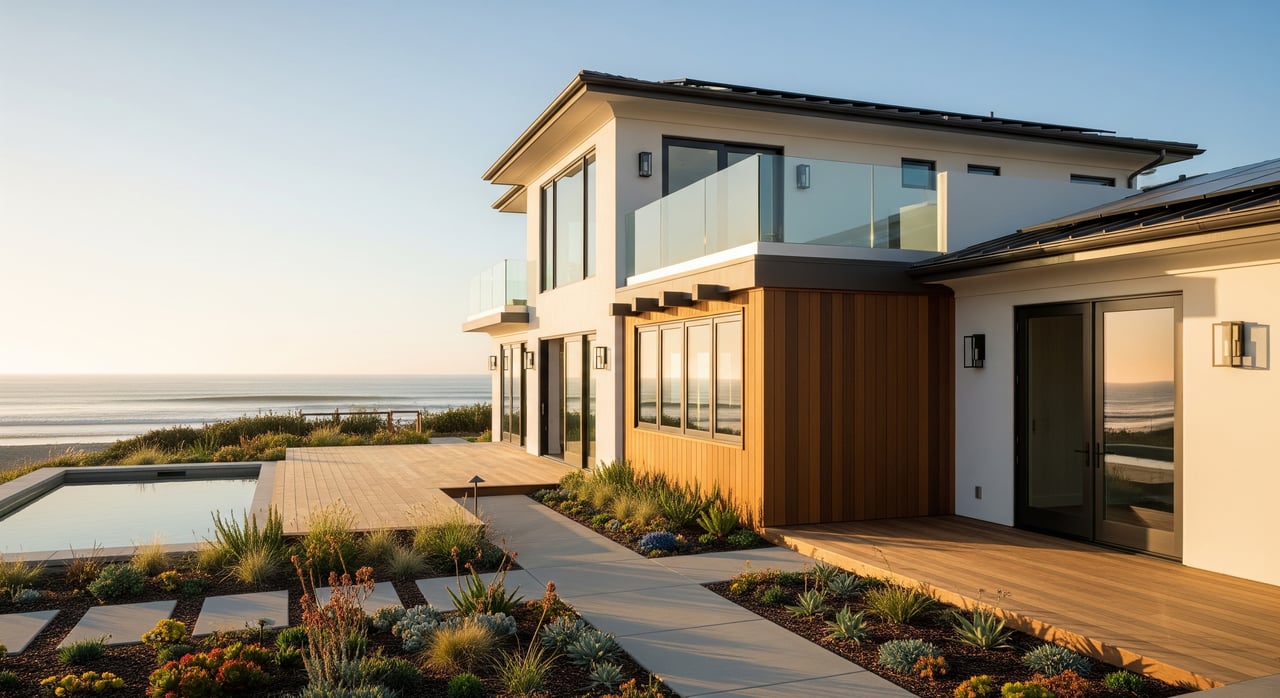
Salt air is part of the Huntington Beach lifestyle, but it is tough on homes. If you live near the ocean or plan to buy or sell here, you already know corrosion, mildew, and sticky windows can creep up fast. The good news is that a few smart habits can protect your home’s value and keep surprises off your inspection report. In this guide, you’ll learn how Huntington Beach’s climate affects materials, what to maintain and when, who to hire, and how to budget with confidence. Let’s dive in.
Why Huntington Beach homes need extra care
Huntington Beach sits in a maritime Mediterranean climate with frequent onshore breezes and a seasonal marine layer. Those breezes carry fine salt aerosols that stick to surfaces and pull in moisture. Over time, salt speeds up metal corrosion and shortens the life of exterior coatings. You will also see more mildew on shaded or marine‑facing walls.
For background on these local patterns, see climate guidance from NOAA and coastal exposure notes from the California Coastal Commission. The takeaway is simple. Coastal homes need slightly shorter maintenance cycles than inland homes, plus materials that resist salt, sun, and wind.
Coastal‑proof your exterior
Paint, stucco, and siding
Sun, salt, and wind break down exterior finishes faster at the beach. To stay ahead:
- Choose coatings rated for coastal exposure. High‑quality acrylic latex with UV blockers or a primer plus elastomeric or urethane topcoats on stucco performs well. Review manufacturer coastal guidance from Sherwin‑Williams.
- Wash exterior walls with low pressure to remove salt before repainting. Let surfaces dry fully.
- Re‑caulk joints around windows, doors, trim, and penetrations at least once a year.
Plan on more frequent touchups and shorter repaint cycles than inland areas. A clean surface and fresh caulk go a long way toward preventing water intrusion and peeling.
Metal hardware and fasteners
Salt targets metal first. Door hardware, hinges, railings, light fixtures, mailboxes, and flashing are common trouble spots.
- Use 316 stainless steel for exterior fasteners and visible hardware when possible. For structural steel, use hot‑dip galvanizing plus a quality barrier coating.
- Avoid mixing dissimilar metals without isolation to prevent galvanic corrosion.
- Inspect twice a year for rust, sticky locks, and loose fasteners. Replace failing parts early to prevent staining and costly repairs.
Windows and doors
Coastal residue collects in tracks and on frames. That leads to sticky sliders, worn seals, and fogged insulated glass units.
- Select coastal‑rated windows and sliding door hardware. Fiberglass or vinyl frames reduce corrosion risk versus bare aluminum.
- Clean glass and frames regularly to remove salt. Lubricate tracks with a non‑gumming product.
- Address fogging or failed seals quickly to protect energy performance and prevent more damage.
If you plan a major window replacement, check permit requirements with the City’s Building Division. Rules vary by project scope and location in the coastal zone.
Decks, roofs, and gutters
Deck materials and upkeep
Decks near the ocean face rot, fastener corrosion, and slippery algae growth.
- Consider composite decking or dense hardwoods like ipe, paired with stainless fasteners. See coastal fastener guidance from Trex.
- For wood decks, use pressure‑treated lumber rated for heavy exposure and apply a marine‑grade sealer. Expect more frequent resealing.
- Inspect annually for soft spots, loose connections, and railing movement. Replace corroded hardware before it fails.
Roof and flashing checks
Roofs work hard in UV, wind, and salt. Flashings often fail first.
- Book an annual roof inspection. Replace corroded flashing with stainless or properly coated metal.
- Watch for asphalt shingle granule loss and lifted edges after wind events.
- Plan repairs early. A tight roof protects paint, stucco, and interiors from costly water damage.
Gutters and drainage
Salt and organic debris clog gutters and speed up corrosion.
- Clean gutters at least twice a year and after major windstorms.
- Ensure downspouts move water away from the foundation. Confirm grading slopes away from the house.
- Keep plants trimmed back so walls and decks can dry out.
Protect mechanical systems
HVAC in salt air
Outdoor condensers and heat pumps collect salt on coils and fins. Left unchecked, that buildup reduces efficiency and shortens equipment life.
- Schedule service twice a year. A spring cooling tune‑up and a fall check keep systems efficient and reliable. The U.S. Department of Energy recommends routine servicing to improve performance and durability.
- Ask your technician to clean outdoor coils, inspect electrical connections, and treat visible corrosion early.
- Change air filters on schedule. If you run the system often, check them monthly.
Pools, irrigation, and landscaping
Salt and moisture affect more than your house.
- Inspect pool pumps, heaters, and metal fittings for corrosion. Flush and clean as recommended. Use stainless or coated parts when possible.
- Choose salt‑tolerant plants near wind‑facing sides and place sensitive species away from prevailing breezes.
- Flush drip lines and adjust irrigation to prevent overspray on walls and foundations.
Seasonal maintenance calendar for Huntington Beach
Dial in your plan to match local weather. In our area, late summer through early fall generally offers the driest painting window after the marine layer season.
Spring
- Wash exterior walls to remove winter salt and grime. Treat mildew.
- Inspect roof, flashing, and gutters. Clean as needed.
- Book your A/C tune‑up. Clean outdoor coils and replace filters.
- Inspect decks and reapply sealer if weather allows.
- Re‑caulk around windows and doors.
Summer
- After the marine layer eases, schedule major exterior painting or sealing.
- Clean and lubricate exterior hardware and sliding doors.
- Inspect and service pool equipment. Stay on top of pool chemistry.
Fall
- Pre‑winter check of gutters, roof, flashings, and yard drainage.
- Book heating check if applicable. Inspect outdoor units again.
- Remove mildew, then prune plants back from walls and fences.
Winter
- After wind or storms, look for loose flashing, damaged fencing, or gutter issues.
- Touch up rust spots and protective coatings.
- Keep vents clear and watch for leaks after heavy rain.
Quick quarterly checks
- Wipe salt from metal hardware and glass.
- Sweep decks and walkways to remove sand and grit.
- Test all windows and doors for smooth operation. Address sticky tracks and damaged seals.
Quick DIY inspection checklist
Use this list to spot issues early and plan repairs before they grow.
- Exterior: peeling paint, cracked caulk, rust streaks, chalking, salt film.
- Metal: hinges, locks, light fixtures, flashing, and roof fasteners for corrosion.
- Windows and doors: failed seals, fogging, sticky tracks, missing or split caulk.
- Decks: soft boards, loose or corroded fasteners, unstable railings.
- Roof and gutters: corroded flashing, shingle granule loss, blockages.
- HVAC: noisy operation, reduced cooling, visible rust on the outdoor unit.
- Landscaping: wind‑facing plants burned or chlorotic, soil salt crust.
- Interior: musty odors, stains, or dampness along coastal‑facing walls and crawlspaces.
Permits, pros, and scheduling
Know when you need a permit
Minor maintenance like painting or small repairs usually does not require a permit. Structural changes, re‑roofing, major window replacements, or full deck rebuilds often do. Start with the City of Huntington Beach’s Building Division for current rules and any coastal overlay considerations. You can review local guidance and contacts on the City of Huntington Beach website. For projects within the coastal zone, additional conditions can apply through the California Coastal Commission.
Hiring coastal‑savvy contractors
- Verify licenses and insurance before work begins. In California, you can confirm a contractor’s status with the Contractors State License Board.
- Ask for photos and references from past coastal projects. Confirm they use 316 stainless fasteners, coastal‑rated coatings, and corrosion‑resistant materials.
- Sequence work in a smart order. Roof and flashings first, then exterior paint and stucco, followed by carpentry and decking, then final hardware and landscaping.
- Schedule outdoor work outside persistent marine layer periods. Pick low‑humidity days so coatings cure properly.
Insurance and warranties
Request product warranty details in writing, especially any corrosion exclusions. For big-ticket items like HVAC or roofing, consider a service plan or extended warranty to hedge against salt‑driven wear.
Budgeting for coastal upkeep
Coastal exposure can shorten material lifespans and increase maintenance frequency. Planning a steady annual reserve helps you avoid surprises.
Typical examples in Orange County can include:
- Exterior painting for a 1,500 to 2,500 square foot home: about $4,000 to $12,000, with coastal‑grade coatings on the higher end. See aggregated cost ranges at HomeAdvisor.
- Deck repair or partial board replacement: a few hundred to several thousand dollars. Full deck replacement can run $20 to $60 or more per square foot depending on materials and stainless fasteners.
- Window seal or insulated glass unit replacement: roughly $200 to $500 per window for reglazing. Full window replacements vary widely by type and performance.
- HVAC tune‑ups typically cost $100 to $300 per visit, while a condenser replacement can range much higher depending on size and efficiency. The U.S. Department of Energy maintains guidance on maintenance practices that affect efficiency and life.
- Roof work ranges from a few hundred dollars for small repairs to five figures for full replacements, with corrosion‑resistant flashings increasing cost.
As a planning baseline, many owners set aside at least $1,000 to $3,000 per year for routine maintenance on smaller coastal homes. Larger or more exposed properties often need higher reserves.
Selling soon? Start early
If you plan to list in the next year, a 12‑month runway keeps you on schedule and maximizes curb appeal.
- 9 to 12 months: inspect the roof, HVAC, windows, and deck. Decide on major repairs or replacements that matter to buyers and inspectors.
- 3 to 6 months: complete exterior painting, deck resealing or replacement, and visible hardware upgrades. Deep clean and refresh landscaping.
- 1 to 2 months: handle final touchups, a pre‑listing service visit for HVAC, and a quick exterior wash to remove salt film.
A well‑maintained coastal exterior photographs better, shows better, and often appraises more smoothly.
Ready to protect your home’s value or plan make‑ready work before you sell? Connect with The AceEstate Team for local advice, trusted contractor introductions, and a clear step‑by‑step plan. Prefer English or Vietnamese, in person or virtual? We make it easy. Get your free home valuation and a tailored coastal maintenance roadmap today.
FAQs
Why do Huntington Beach homes need different maintenance?
- Salt aerosols, UV, and onshore wind accelerate corrosion and coating wear, so coastal homes need shorter maintenance cycles and corrosion‑resistant materials.
How often should I service HVAC near the ocean?
- Twice a year works best, with coil cleaning and corrosion checks each visit. Routine servicing improves efficiency and extends life.
Do I need a permit to replace windows in Huntington Beach?
- Many full replacements require a permit, especially if changing sizes or styles. Always check with the City’s Building Division before you start.
What metal hardware resists rust at the beach?
- 316 stainless steel performs well for fasteners and visible hardware. Use compatible materials to avoid galvanic corrosion.
How much should I budget annually for coastal upkeep?
- A common starting point is at least $1,000 to $3,000 per year for smaller coastal homes, with larger or more exposed properties needing more.